AI Can Generate the Image. It Still Can't Direct It.
AI can make the work faster. It still takes a clear vision to make it matter.
Opening note
Fast is not the same as right.
A few years ago, a convincing CGI image took days. Now a rough version can exist in minutes. That is not a small change. But it answers one question and leaves another completely open: getting to an image faster does not tell you whether the image is worth making.
Speed used to be the bottleneck. A director had an idea, and turning it into something a client could actually look at took real time — modelling, lighting, rendering and iteration. AI removes a lot of that friction. Previsualisation, exploration and early client alignment all move faster now, and that is a genuine gain, not a gimmick.
When the friction disappears, however, it becomes easier for different teams using the same tools and overlapping references to arrive at similar places. Without a clear point of view steering it, AI quietly pulls toward the average. The market is already full of images that look impressive on their own and interchangeable next to each other.
Direction
What art direction is actually deciding.
Art direction was never just ‘make it look good’. It decides what an image is trying to do: what we are building, why we are building it that way and what it needs to communicate before anyone reads a single word of copy.
AI can generate a thousand versions of an idea. It cannot tell you which one is right for this brief, this brand and this audience. That is still a decision, and someone still has to make it.
A vision that exists only as a mood board or a prompt is not finished. It has to survive contact with production — lighting that holds across every shot, materials that read correctly in motion and a system that still works when it stretches from a hero frame into many formats. Plenty of ideas look strong in isolation and fall apart the moment they have to scale.
“My role is not limited to defining the vision or executing someone else’s idea. I stay close to both — shaping the direction, testing it through the tools and carrying it into the final image.”Luke Szyszka
From direction to system
One decision. Five useful expressions.
- Key visual
- Film
- Social
- Event
- HCP
Value
What the client is actually buying.
A client is not buying a number of days worked. They are buying a decision they can trust — one clear direction, executed well, that still looks right a year later across every format it is used in. A faster process does not change what is being sold. It changes how much of the cost is craft time and how much is judgement.
That becomes especially clear in healthcare. An image has to read instantly, hold up scientifically and still feel like it belongs to the brand that made it rather than generic stock.
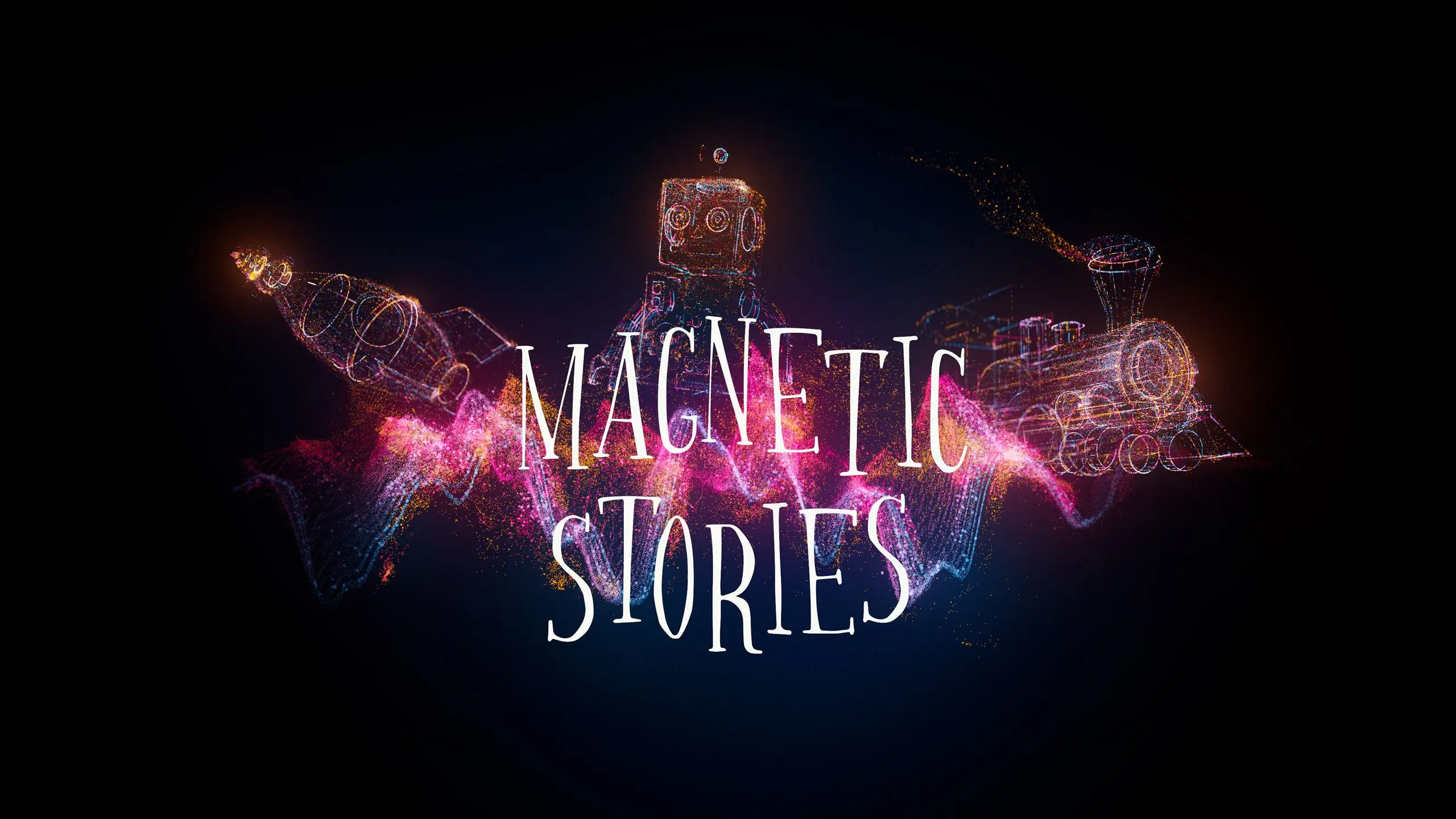
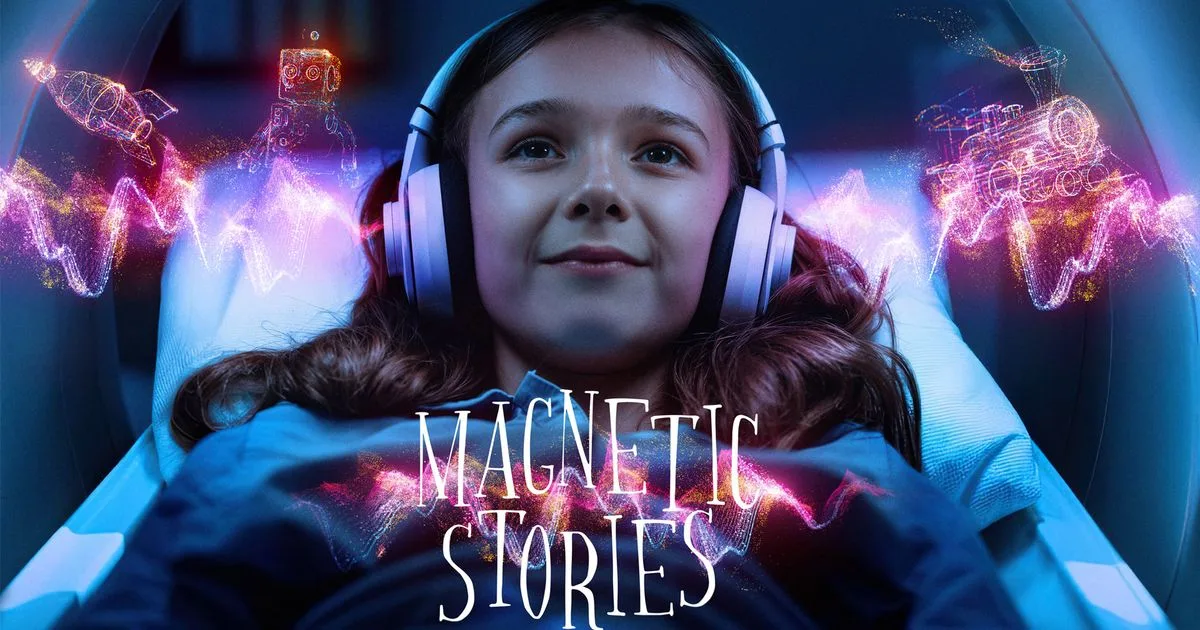
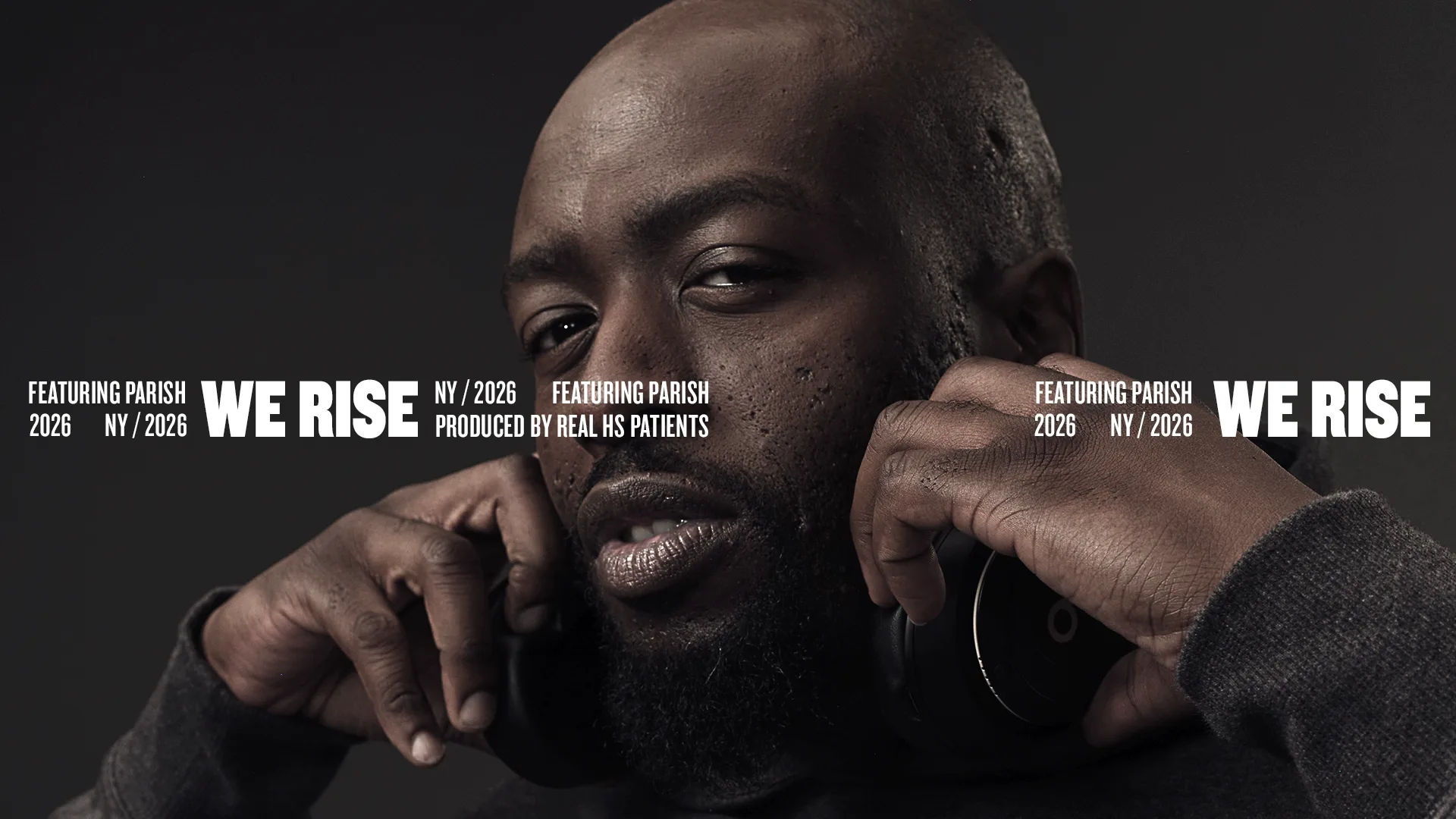
On Magnetic Stories for Siemens Healthineers, the brief was to turn the sound of an MRI scan into something a child could experience as calm rather than frightening. HS Truths for Incyte sits on the other side of the same problem: real patients, a real condition and a story that needs more care than a typical campaign image, not less. Neither project is solved by generating options faster. Both are solved by knowing what the image has to protect before a single frame is built.
Related work
Related insights
- The Transition Is Part of the Story When a film moves between a human world and a technological or scientific one, the transition can do more than connect two shots. It can explain how those worlds relate.
-
 Compliance Is Part of the Composition
A healthcare image is not finished before the required information arrives. Composition, motion and readability need to be designed together from the start.
Compliance Is Part of the Composition
A healthcare image is not finished before the required information arrives. Composition, motion and readability need to be designed together from the start.
-
 AI Is Changing What Clients Buy, Not Just How We Make It
When AI becomes part of the agency model, faster production is only half the story. The bigger question is what clients are paying for, and where creative responsibility sits.
AI Is Changing What Clients Buy, Not Just How We Make It
When AI becomes part of the agency model, faster production is only half the story. The bigger question is what clients are paying for, and where creative responsibility sits.