AI Is Changing What Clients Buy, Not Just How We Make It
When AI becomes part of the agency model, faster production is only half the story. The bigger question is what clients are paying for, and where creative responsibility sits.
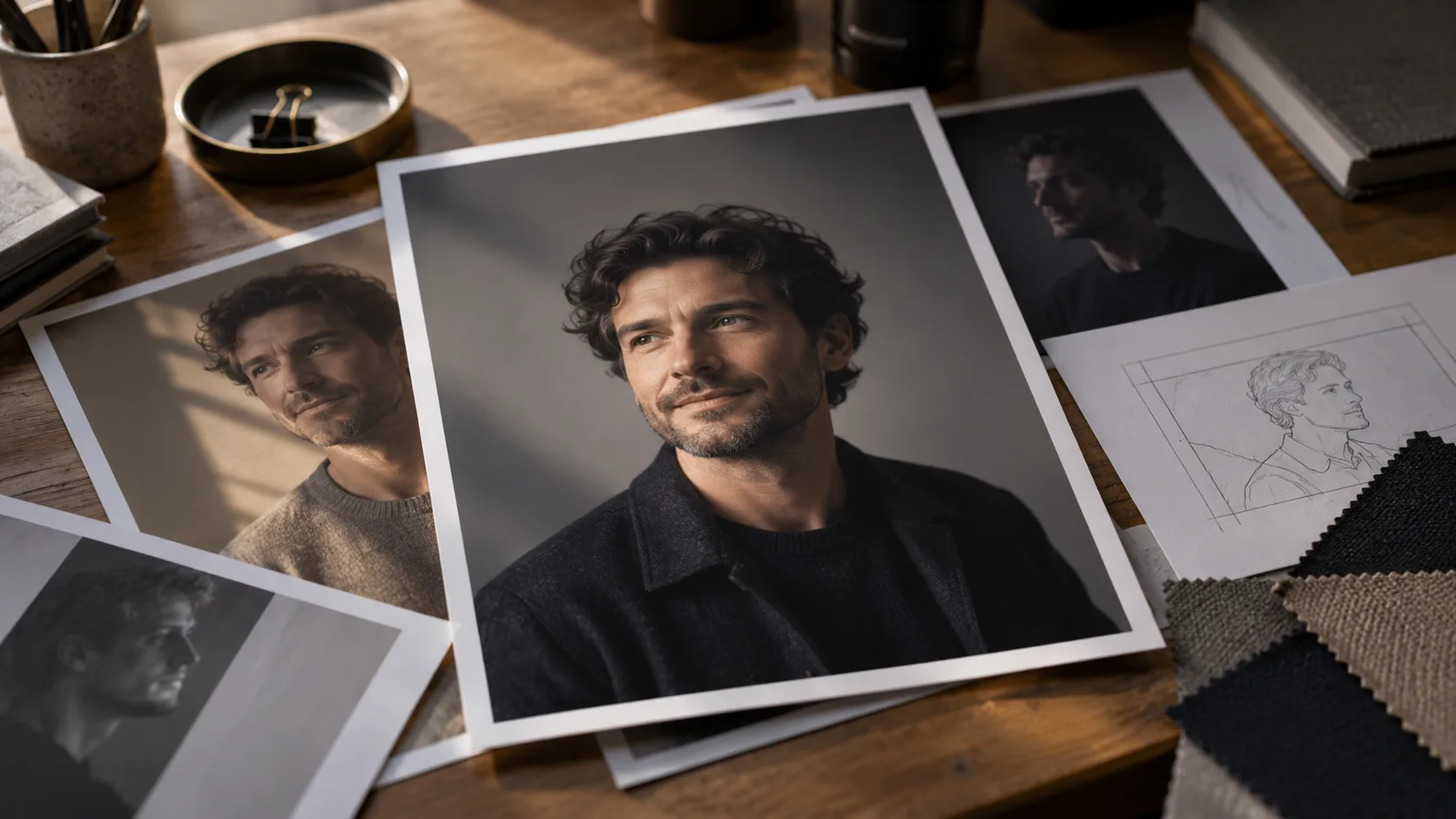
The familiar AI conversation starts with the image. How quickly can we make it? How convincing is it? How much would the same shot cost in CGI?
Those questions matter. But they miss a larger change. When AI becomes part of the agency's operating model, it starts to change what the client is buying, not just how the work gets made.
For a hands-on creative director, that is a more interesting question than which tool produced the frame.
A different promise
On August 25, 2026, Lundbeck and EVERSANA announced an expanded partnership to bring AI-powered commercialization across Lundbeck's US commercial organization. The scope reaches beyond image production into marketing, medical communications, market access and media operations.
Google Cloud's EVERSANA case study describes a platform connecting strategy, content and review workflows. It reports 50% faster delivery and 30% lower costs for new projects. Those are supplier-reported figures, not independently established results for Lundbeck or a benchmark for every production.
What interests me is the promise behind them. The offer is a coordinated route from business need to campaign content, rather than simply a faster way to make an individual asset.
My reading is that this changes the comparison a specialist may face. A beautifully executed film could be evaluated alongside an offer that also includes planning, adaptation and the process around delivery. Craft still matters. But it has to be understood within the job the client needs done.
What the estimate needs to explain
A production estimate can tell a client how many days are needed for modeling, lighting and animation. It says much less about why a particular visual approach is right, what must remain consistent, or which decisions will become expensive to reverse.
Imagine a treatment built around a digital patient. Generating the first convincing portrait might be quick. Keeping that person recognizable across camera angles, performances and wardrobe changes is a different responsibility. So is deciding which parts need a controlled 3D scene, photography or hands-on finishing.
That is work I would make explicit in the scope: casting and performance direction, look development, consistency checks, production choices and responsibility for the final image. Not a vague premium for experience, but identifiable decisions and deliverables.
The same applies to scientific visuals. A persuasive frame and an accurate explanation are not automatically the same thing. The scientific intent needs to remain connected to the production as the image evolves.
“The deliverable is an image. The responsibility is everything needed to make it usable.”Luke Szyszka
Key takeaway
Staying close to the work
- An AI-enabled workflow does not remove the need to define who decides, who checks and who carries the visual direction through delivery. “Approval-ready” describes a stage in a process. It is not a guarantee of approval or creative quality.
- I do not think the answer is to become a remote layer of supervision. For me, the value of staying hands-on is that creative decisions remain informed by what the production can actually deliver. I can recognize when exploration is useful, when a direction needs locking, and when a promising result needs rebuilding rather than another round of generation.
- This is also where the buying conversation can become more useful. Instead of defending a process because it used to take longer, we can explain what the process protects: the idea, the performance, the scientific meaning, and the client's ability to use the work.
- AI may change how long it takes to produce an image. It does not remove responsibility for that image. That is the part of the offer I want to make clearer.
Related work
Related insights
- The Transition Is Part of the Story When a film moves between a human world and a technological or scientific one, the transition can do more than connect two shots. It can explain how those worlds relate.
-
 Compliance Is Part of the Composition
A healthcare image is not finished before the required information arrives. Composition, motion and readability need to be designed together from the start.
Compliance Is Part of the Composition
A healthcare image is not finished before the required information arrives. Composition, motion and readability need to be designed together from the start.
-
 Beyond the Key Visual: Building a Visual System That Keeps Working
A strong key visual should not be a dead end. It should define a world that can keep growing across film, social, digital and print.
Beyond the Key Visual: Building a Visual System That Keeps Working
A strong key visual should not be a dead end. It should define a world that can keep growing across film, social, digital and print.